



Claw Machine ROI Guide for Beginners: How Profitable Is a Claw Machine Business?
Introduction
Starting a claw machine business has become an attractive investment opportunity for entrepreneurs, arcade operators, retail businesses, and entertainment companies worldwide.
One of the biggest reasons investors choose claw machines is their ability to generate recurring revenue with relatively simple daily operations. A well-positioned commercial claw machine can continue producing income while requiring limited staff involvement.
However, profitability does not depend only on buying a machine and placing it somewhere. Successful operators understand how to calculate return on investment (ROI), select profitable locations, manage prizes, optimize gameplay settings, and maintain machines properly.
This guide explains how to evaluate claw machine profitability and build a more successful business model.
What Is Claw Machine ROI?
ROI (Return on Investment) measures how quickly an investment generates profit compared with its initial cost.
For a claw machine business, ROI calculation considers:
Machine purchase cost
Shipping expenses
Installation costs
Location fees
Prize costs
Maintenance expenses
Daily revenue
A simple formula:
ROI = Net Profit ÷ Total Investment × 100%
Understanding ROI helps investors decide whether a machine or location is financially worthwhile.
Initial Investment Costs
Before calculating profit, understand the complete startup cost.
1. Machine Purchase Cost
The largest initial expense is the claw machine itself.
Factors affecting price include:
Machine size
Design
Features
Payment system
Customization
Quantity purchased
Commercial machines designed for public venues usually provide better durability and long-term value.
2. Shipping and Logistics
For international buyers, consider:
Sea freight
Insurance
Import duties
Customs fees
Local transportation
Working directly with an experienced manufacturer can help optimize shipping costs.
3. Location Costs
Depending on your business model, you may need to pay:
Monthly rent
Revenue sharing fees
Placement commissions
Popular placement models include:
Fixed Rental Model
Pay a fixed monthly fee for machine placement.
Revenue Sharing Model
Share a percentage of income with the location owner.
Revenue sharing is common for retail stores and shopping malls.
4. Prize Inventory
Prize cost directly affects profitability.
Common prizes include:
Plush toys
Blind boxes
Collectibles
Licensed products
Electronics
Lifestyle items
Successful operators balance prize attractiveness with cost control.

How Much Revenue Can a Claw Machine Generate?
Revenue depends on several factors:
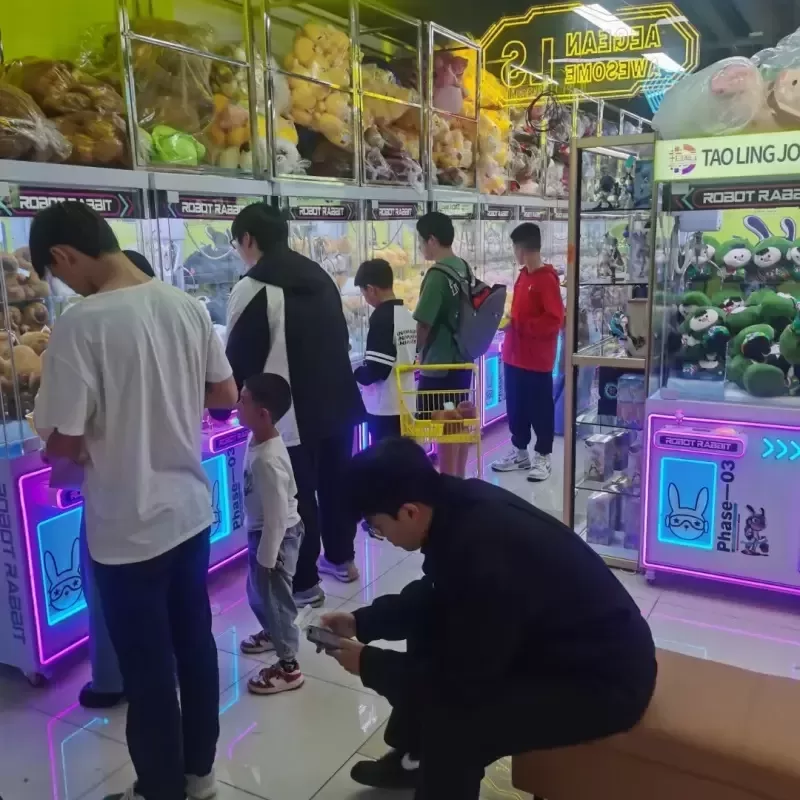
Location Traffic
Location is the most important factor.
High-performing locations often include:
Shopping malls
Cinemas
Family entertainment centers
Tourist attractions
Supermarkets
Restaurants
A machine in a busy family-oriented location generally has greater earning potential.
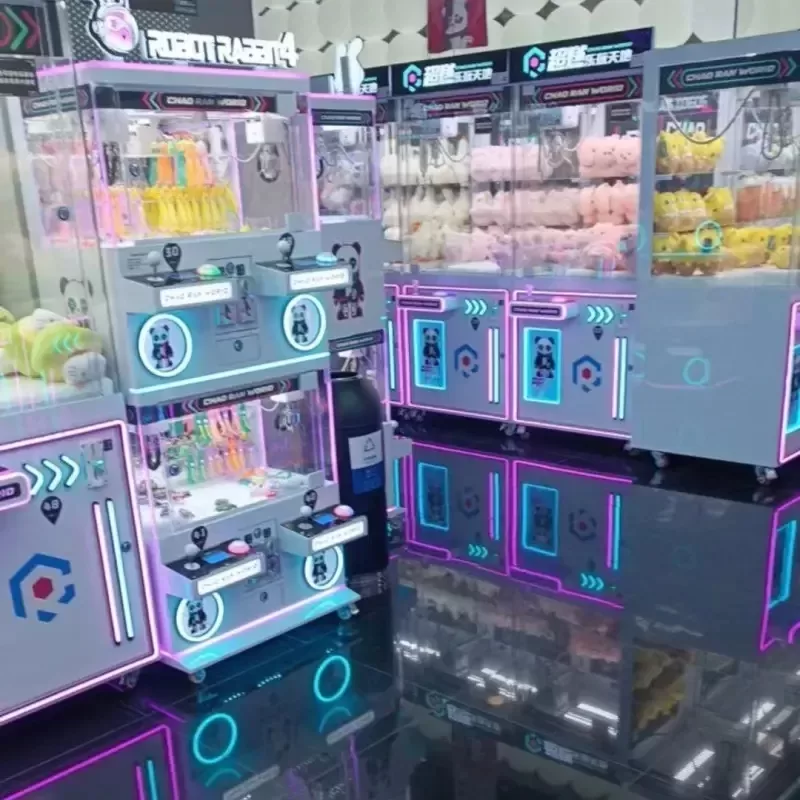
Machine Appearance
Customers are attracted to machines with:
Bright LED lighting
Attractive designs
Large prize visibility
Interactive features
A visually appealing machine can increase player participation.
Pricing Strategy
Common pricing depends on:
Local market conditions
Customer spending habits
Prize value
Competition
Operators should test different pricing levels to find the best balance between revenue and customer satisfaction.

Factors That Improve Claw Machine Profitability
1. Choosing the Right Location
A good location can determine business success.
Evaluate:
Daily visitor numbers
Customer age groups
Customer waiting time
Nearby entertainment options
Locations with families and young customers often perform well.
2. Selecting Popular Prizes
Prize selection influences repeat play.
Good prizes should be:
Attractive
Trend-related
Visually impressive
Appropriate for target customers
Rotate prizes regularly to maintain interest.
3. Proper Machine Settings
Commercial claw machines allow operators to adjust:
Claw strength
Game difficulty
Prize value
Play frequency
Settings should create a fun experience while maintaining sustainable operation.
4. Multiple Machine Placement
Many successful operators increase revenue by installing multiple machines.
Advantages:
More product variety
Higher customer engagement
Better use of space
Reduced dependence on one machine
Example ROI Calculation
Assume:
Machine investment:
Machine cost: $2,000
Shipping and setup: $500
Initial prizes: $300
Total investment:
$2,800
Monthly revenue:
$1,500
Monthly expenses:
Location fee: $300
Prize cost: $250
Maintenance: $50
Monthly profit:
$900
Estimated ROI period:
$2,800 ÷ $900 ≈ 3.1 months
Actual results vary depending on location, market conditions, and operation strategy.
How to Increase Claw Machine Revenue
Successful operators often use the following strategies:
Create Seasonal Promotions
Examples:
Holiday prizes
Limited editions
Event themes
Use Social Media Marketing
Share:
Prize updates
Winner videos
Customer experiences
Platforms such as TikTok, Instagram, and YouTube can help attract attention.
Improve Machine Placement
Small changes can make a big difference:
Move machines near entrances
Place near waiting areas
Improve visibility
Create attractive displays
Use Data Management
Smart management systems can track:
Revenue performance
Popular machines
Player activity
Maintenance alerts
Data helps operators make better decisions.
Common ROI Mistakes
Ignoring Location Research
A low-traffic location can limit profitability.
Choosing Cheap Equipment
Poor-quality machines may increase maintenance costs.
Not Updating Prizes
Old prizes reduce customer interest.
Lack of Maintenance
Machine downtime directly affects revenue.
Beginner Investment Strategy
For new operators:
Stage 1: Market Testing
Start with:
1–5 machines
Different locations
Various prize strategies
Analyze performance.
Stage 2: Expansion
After identifying profitable locations:
Increase machine quantity
Improve prize selection
Build partnerships
Stage 3: Business Scaling
Develop:
Multiple locations
Branded stores
Distribution networks
Buyer Checklist
Before investing:
✓ Business model selected
✓ Location evaluated
✓ Machine type chosen
✓ Revenue expectations calculated
✓ Prize strategy prepared
✓ Supplier verified
✓ Maintenance plan created
✓ Expansion plan considered
Conclusion
A claw machine business can provide attractive investment opportunities when managed correctly. However, success depends on much more than purchasing equipment.
The most profitable operators focus on:
Choosing strong locations
Selecting reliable machines
Managing prizes effectively
Understanding customer behavior
Optimizing operations
By working with an experienced claw machine manufacturer and applying a professional business strategy, investors can build a scalable and sustainable entertainment business.
Frequently Asked Questions
Are claw machines profitable?
Yes, claw machines can be profitable when placed in suitable locations and managed effectively.
How long does it take to recover the investment?
The payback period depends on machine cost, location revenue, operating expenses, and business strategy.
What affects claw machine earnings the most?
Location, customer traffic, prize selection, pricing, and machine settings have the biggest impact.
How many machines should a beginner buy?
Many beginners start with a small number of machines to test locations before expanding.
Are commercial claw machines a good investment?
Commercial claw machines can be a good investment because they require limited daily operation and can generate recurring revenue.
How can I increase claw machine revenue?
Improve machine placement, update prizes, use promotions, and analyze performance data regularly.
Planning to start a claw machine business?
Fanhong provides commercial claw machines, OEM & ODM customization, arcade business solutions, and complete support from machine selection to worldwide delivery.
Contact us today to discuss your business plan and receive a customized recommendation.
