



How to Import Claw Machines from China
Introduction
China is one of the world's largest manufacturers of commercial claw machines and arcade equipment. Buyers from North America, Europe, the Middle East, South America, Southeast Asia, and other regions source machines from Chinese factories because of competitive pricing, mature manufacturing capabilities, and flexible customization options.
However, importing claw machines is more than simply placing an order. Success depends on choosing the right supplier, understanding production timelines, arranging international shipping, preparing customs documentation, and ensuring reliable after-sales support.
Whether you are opening your first arcade, expanding an existing entertainment center, or becoming a local distributor, this guide will walk you through every stage of the import process.
Step 1: Define Your Business Requirements
Before contacting suppliers, clearly identify your project needs.
Questions to consider include:
What type of venue are you operating?
How many machines do you need?
What is your available budget?
Which target customers will use the machines?
Do you require standard products or customized designs?
For example:
Shopping malls often prefer premium multi-player claw machines.
Family entertainment centers may require a mix of claw machines and redemption games.
Retail stores may benefit from compact or mini claw machines.
Distributors often choose machines that can be easily customized for local customers.
Preparing this information in advance helps suppliers recommend the most suitable products.
Step 2: Find a Reliable Manufacturer
Choosing the right supplier is the most important step in the entire process.
Look for manufacturers that provide:
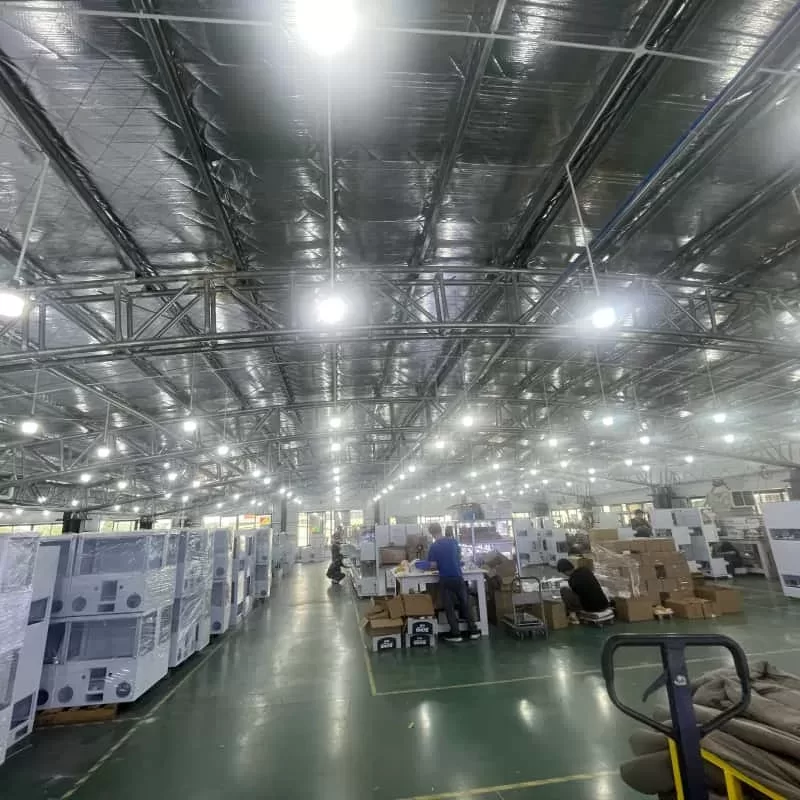
Real production facilities
Experience exporting to your market
Commercial-grade products
OEM and ODM services
Stable production capacity
Responsive communication
Long-term technical support
Ask suppliers to provide:
Factory photos
Production videos
Product catalogs
Customer references
Certifications
Company profile
Whenever possible, arrange a factory visit or video meeting to verify their manufacturing capabilities.
Step 3: Request a Detailed Quotation
A professional quotation should clearly explain what is included.
It should normally contain:
Product model
Quantity
Unit price
Customization costs
Production lead time
Packaging method
Shipping terms (EXW, FOB, CIF, etc.)
Payment terms
Warranty information
Avoid making decisions based only on price. A complete quotation allows you to compare suppliers more accurately.
Step 4: Confirm Product Specifications
Before production begins, review every important specification with your supplier.
Typical items include:
Cabinet dimensions
Cabinet color
Brand logo
Graphics
Voltage (110V / 220V)
Coin acceptor or cashless payment system
Language settings
LED lighting
Claw strength adjustment
Software functions
For customized projects, ask the manufacturer to provide design drawings or 3D renderings for approval before production starts.
Step 5: Production Process
After confirming the order, manufacturing usually follows several stages:
Material preparation
Metal fabrication
Welding and polishing
Powder coating
Cabinet assembly
Electrical wiring
Software installation
Functional testing
Quality inspection
Packaging
Throughout production, many manufacturers can provide progress photos or videos, allowing buyers to monitor the status of their order remotely.
Step 6: Quality Inspection Before Shipment
Never skip the final inspection.
Before shipment, request:
Photos of finished machines
Videos showing machine operation
Packaging photos
Serial numbers (if applicable)
Inspection reports
If the order is large, consider arranging a third-party inspection to verify product quality before payment of the final balance.
A thorough inspection helps avoid unexpected issues after the machines arrive at their destination.
Step 7: Choose the Right Shipping Method
After production and quality inspection are completed, the next important step is arranging international transportation.
For commercial claw machines, sea freight is the most common shipping method because arcade equipment is usually large, heavy, and shipped in multiple units.
Sea Freight
Sea transportation is suitable for:
Large quantity orders
Container shipments
Distributor purchases
Arcade projects
Shopping mall installations
Advantages:
Lower transportation cost
Suitable for large machines
Better for bulk orders
Disadvantages:
Longer transportation time
Most buyers choose:
Full Container Load (FCL)
Less than Container Load (LCL)
depending on order quantity.
Air Freight
Air shipping is usually used for:
Urgent spare parts
Small accessories
Sample components
Advantages:
Fast delivery
Disadvantages:
Much higher cost
For complete claw machines, air freight is generally not the most economical choice.
Choosing the Right Incoterm
When importing claw machines, you may encounter different international trade terms.
EXW (Ex Works)
The buyer arranges almost everything after production.
Suitable for buyers with their own logistics partners.
FOB (Free On Board)
The supplier delivers goods to the export port and handles export procedures.
A common option for experienced importers.
CIF (Cost, Insurance, Freight)
The supplier arranges transportation to the destination port.
Suitable for buyers who want a simpler process.
DDP (Delivered Duty Paid)
The supplier handles shipping, customs clearance, and delivery to your location.
Suitable for buyers who want a more convenient solution.
Before ordering, confirm exactly what costs are included.
Step 8: Prepare Import Documents
International imports require proper documentation.
Common documents include:
Commercial Invoice
Shows:
Product description
Quantity
Unit price
Total value
Payment information
Packing List
Includes:
Package quantity
Dimensions
Weight
Packing details
Bill of Lading
A transportation document issued by the shipping company.
Certificate Documents
Depending on your market, you may need:
CE certification
RoHS documentation
Safety documents
Other local compliance documents
Working with an experienced exporter can significantly simplify the process.
Step 9: Customs Clearance
Customs procedures vary by country.
Before shipment, confirm:
Import regulations
Required documents
Customs duties
Tax requirements
Product classification
Some countries have specific requirements for amusement equipment.
A professional supplier should be able to provide the necessary export documents and product information to support your customs process.
For first-time importers, working with a local customs broker is highly recommended.
Step 10: Receive and Inspect Your Machines
When your claw machines arrive, inspect them carefully before installation.
Check:
Exterior Condition
Verify:
Cabinet condition
Glass condition
Paint finish
Accessories
Electrical System
Check:
Power connection
Lighting
Control panel
Display screen
Machine Functions
Test:
Joystick movement
Claw operation
Prize drop system
Payment system
Sound effects
If any damage occurs during transportation, record photos and videos immediately for insurance or supplier communication.
Step 11: Installation and Operation Setup
Professional suppliers usually provide installation guidance.
Before opening to customers, complete:
Machine placement
Power connection
Prize loading
Game settings adjustment
Payment system setup
Trial operation
Important settings include:
Claw Strength
Adjust the claw strength according to:
Prize weight
Customer experience
Business goals
Prize Selection
Choose prizes that match your target customers.
Examples:
Shopping malls:
Popular toys
Licensed products
Premium gifts
Family entertainment centers:
Plush toys
Children's products
Collectibles
Retail locations:
Small affordable prizes
A good prize strategy directly affects revenue.
Step 12: After-Sales Support and Long-Term Cooperation
A reliable supplier relationship continues after delivery.
Choose manufacturers that provide:
Spare parts supply
Technical support
Troubleshooting assistance
Software updates
Operation guidance
Common replacement parts include:
Claw motors
Control boards
Power supplies
Joysticks
LED components
Coin acceptors
Having reliable technical support reduces downtime and protects your investment.
Common Mistakes When Importing Claw Machines from China
1. Choosing Only Based on Price
The lowest price does not always mean the best value.
Low-cost machines may use:
Lower-quality materials
Basic components
Limited testing
Poor after-sales support
Consider total ownership cost instead of only purchase price.
2. Not Checking Supplier Background
Before ordering:
Verify factory information
Check production capability
Review customer feedback
Request product videos
A professional supplier should be transparent about their manufacturing process.
3. Ignoring Voltage Requirements
Different countries use different electrical standards.
Always confirm:
Voltage
Frequency
Plug type
Certification requirements
before production.
4. Ordering Without Customization Confirmation
For branded projects, confirm all details before production:
Logo placement
Colors
Artwork
Packaging
Software settings
Mistakes after production can increase costs and delay delivery.
Import Checklist for Claw Machine Buyers
Before shipment, confirm:
✓ Supplier verified
✓ Product specifications approved
✓ Price confirmed
✓ Production schedule confirmed
✓ Quality inspection completed
✓ Shipping method selected
✓ Import documents prepared
✓ Customs requirements checked
✓ Installation plan ready
✓ After-sales support confirmed
Conclusion
Importing claw machines from China can be a profitable opportunity for arcade operators, distributors, and entertainment businesses. However, success depends on choosing the right manufacturing partner and managing every stage of the purchasing process carefully.
From supplier selection and product customization to shipping, installation, and after-sales support, every step influences your final business results.
Working with an experienced claw machine manufacturer helps reduce risks, improve product quality, and create a stronger foundation for long-term growth.
Frequently Asked Questions
Is importing claw machines from China profitable?
Yes. Many businesses successfully operate claw machines in shopping malls, arcades, entertainment centers, and retail locations. Profitability depends on location, machine selection, pricing strategy, and operation management.
How long does it take to import claw machines from China?
The timeline depends on production quantity, customization requirements, and shipping method. Standard orders usually require production time plus international transportation time.
Can I customize claw machines when importing from China?
Yes. Many manufacturers provide OEM services including custom designs, logos, colors, graphics, and payment system integration.
What is the best shipping method for claw machines?
For most commercial orders, sea freight is the most cost-effective option. Air freight is usually only suitable for urgent or small shipments.
What documents are needed to import claw machines?
Common documents include commercial invoices, packing lists, bills of lading, and applicable certification documents.
How can I find a reliable claw machine manufacturer in China?
Look for manufacturers with real factories, export experience, quality control systems, customization capabilities, and professional after-sales support.
Looking for a reliable partner to import commercial claw machines from China?
Fanhong provides professional claw machine manufacturing, OEM customization, quality inspection, export support, and complete arcade solutions for global customers.
Contact our team today to discuss your project and receive a customized solution.
