



2026-Apr-02
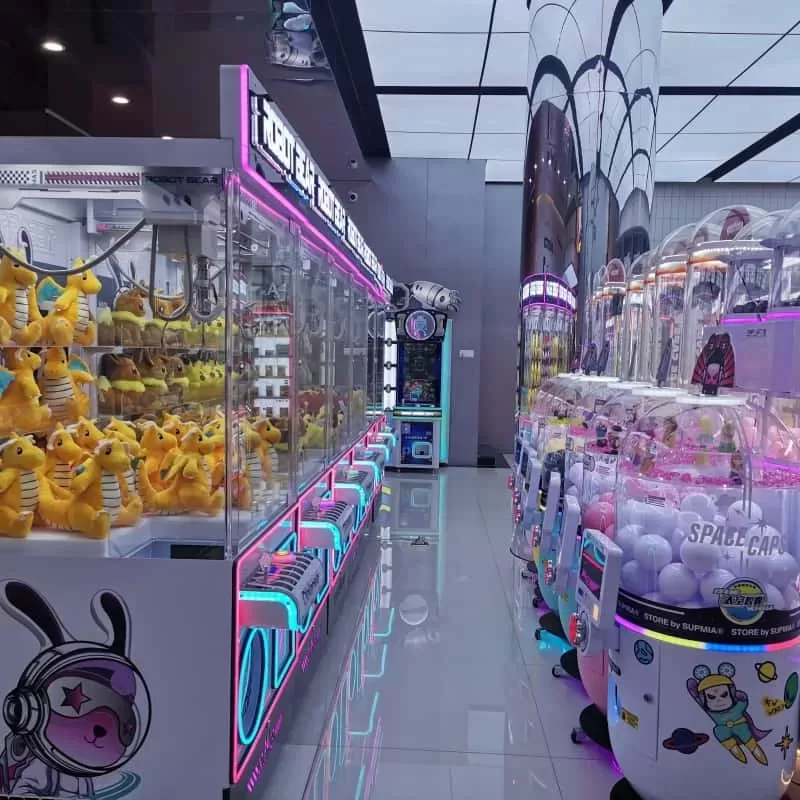
Compare claw machines with non-powered amusement equipment by space requirements, operating costs, capital investment, revenue potential and payback periods.
Details
2026-Apr-02
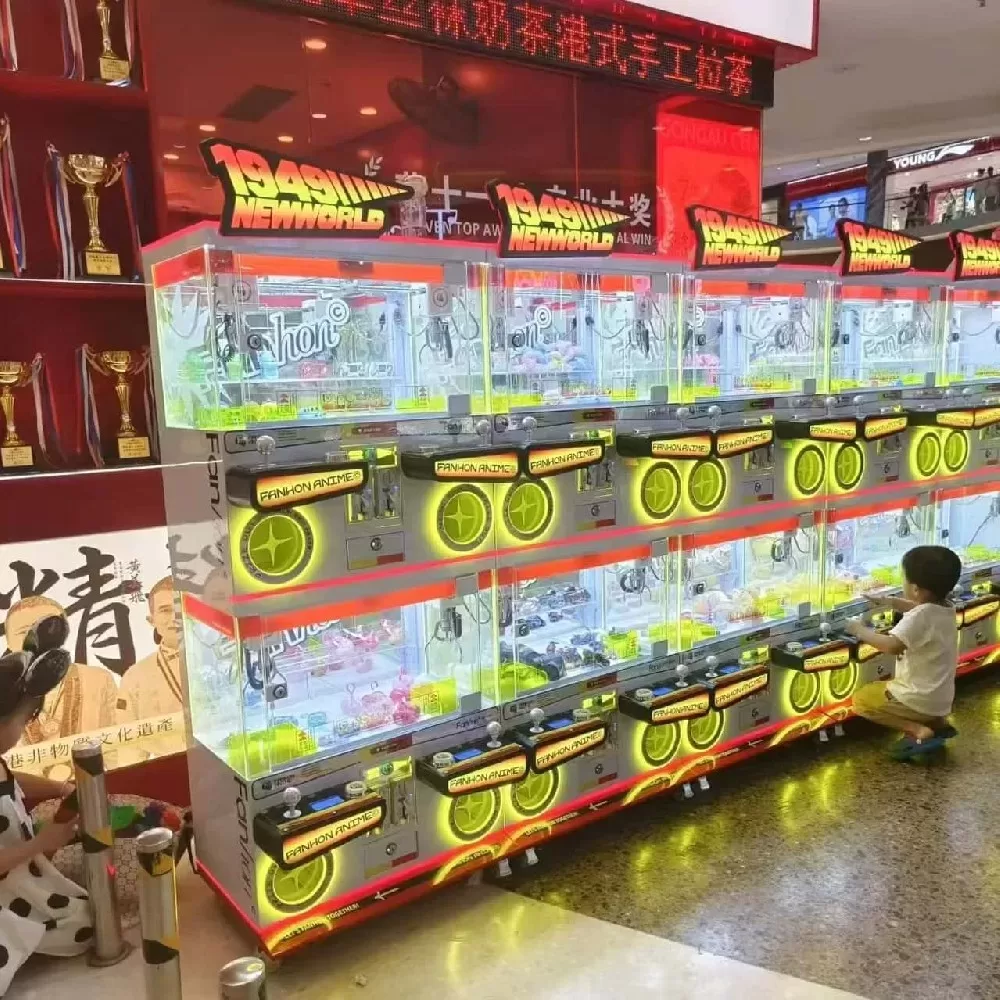
Explore claw machine ROI in 2026, including payback periods, revenue factors, profit strategies and market insights for small commercial arcade operators.
Details
2026-Apr-02
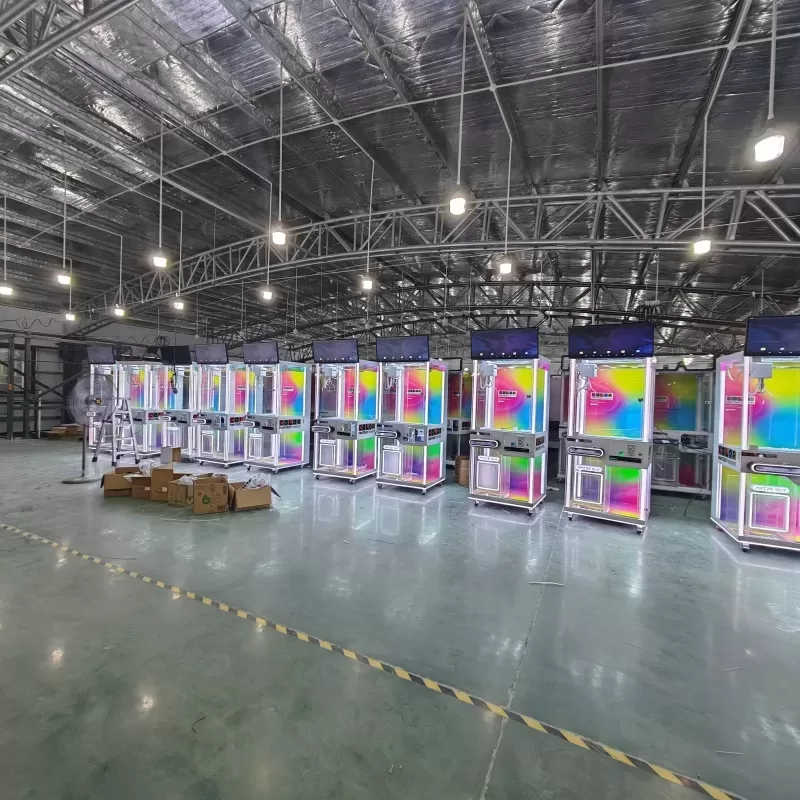
How much can a claw machine make per month? Explore revenue factors including location, play volume, pricing, prize costs and operating expenses.
Details
2026-Mar-30
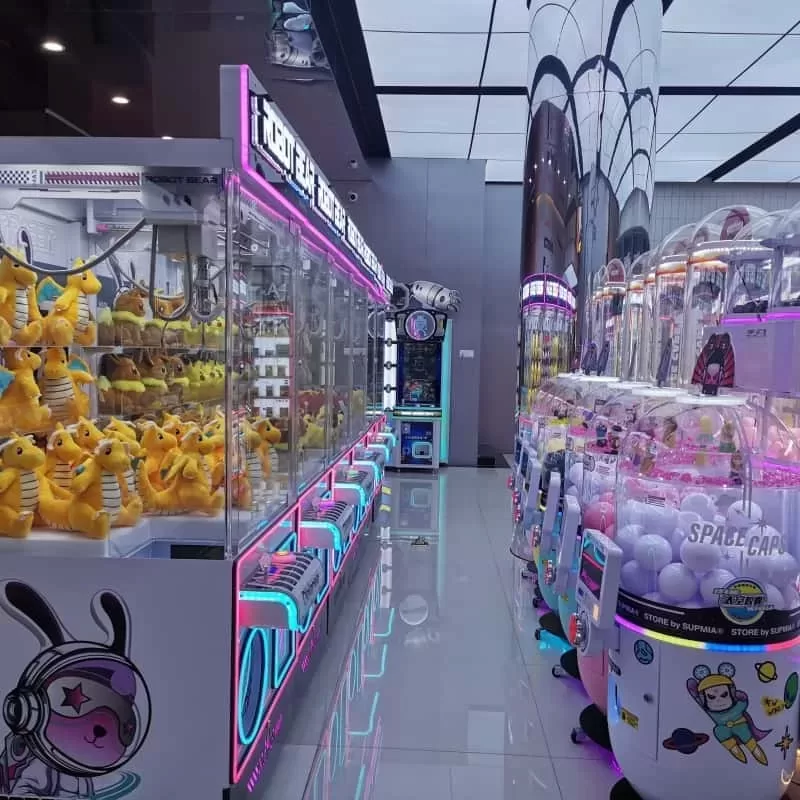
Learn five practical strategies for running a successful claw machine business, from revenue tracking and prize management to payment systems, maintenance and location selection.
Details
2026-Mar-30
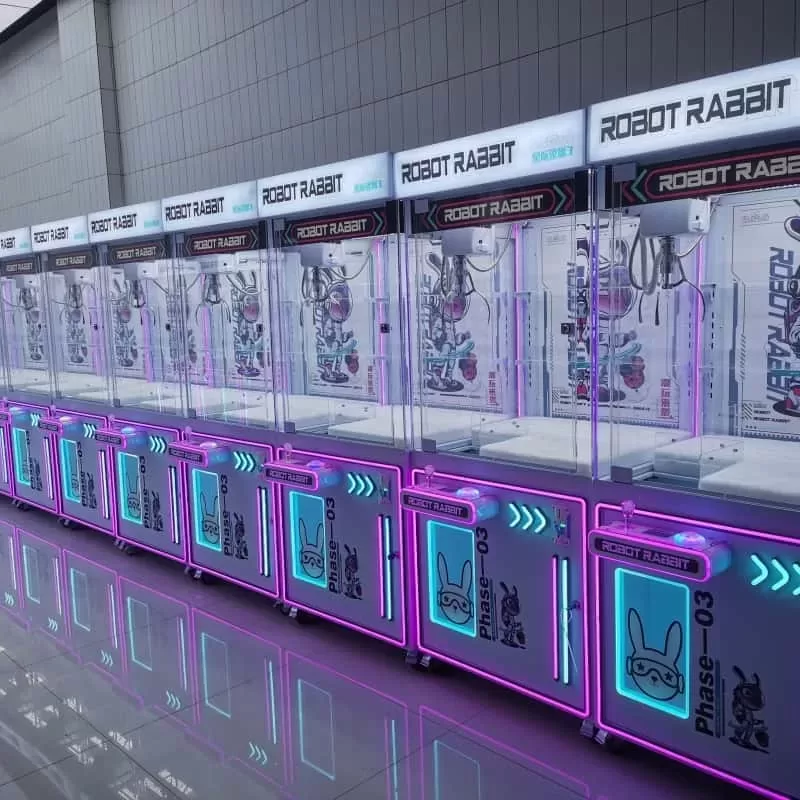
Learn how to design a shopping mall claw machine zone with effective layouts, machine placement, visibility, customer flow, lighting, power and safety.
Details
2026-Mar-30
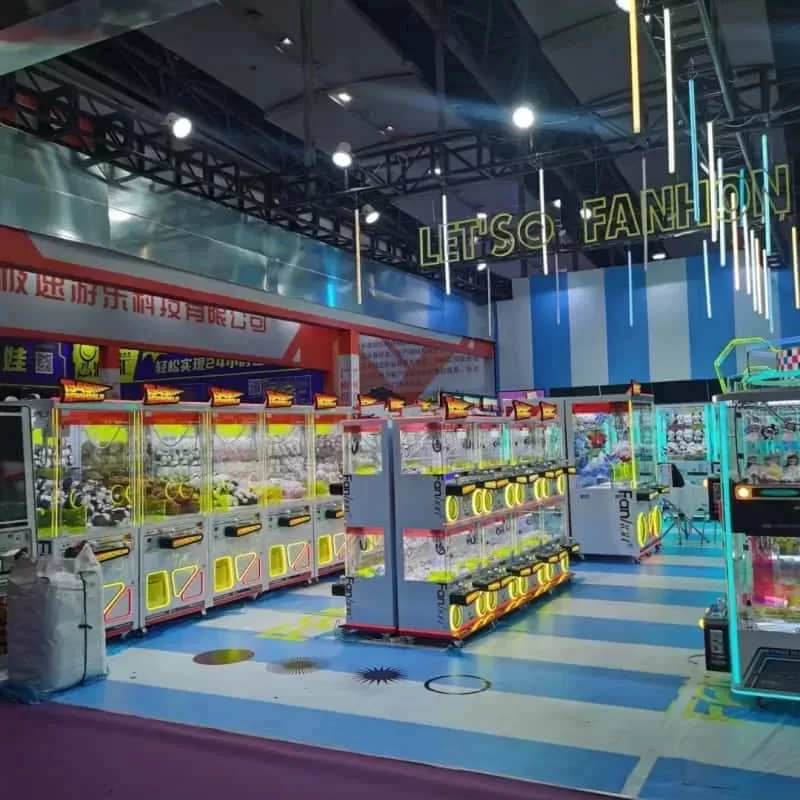
Learn how to maintain arcade machines with a practical daily, weekly and monthly schedule covering cleaning, calibration, payment systems, lubrication and inspections.
Details
2026-Mar-30
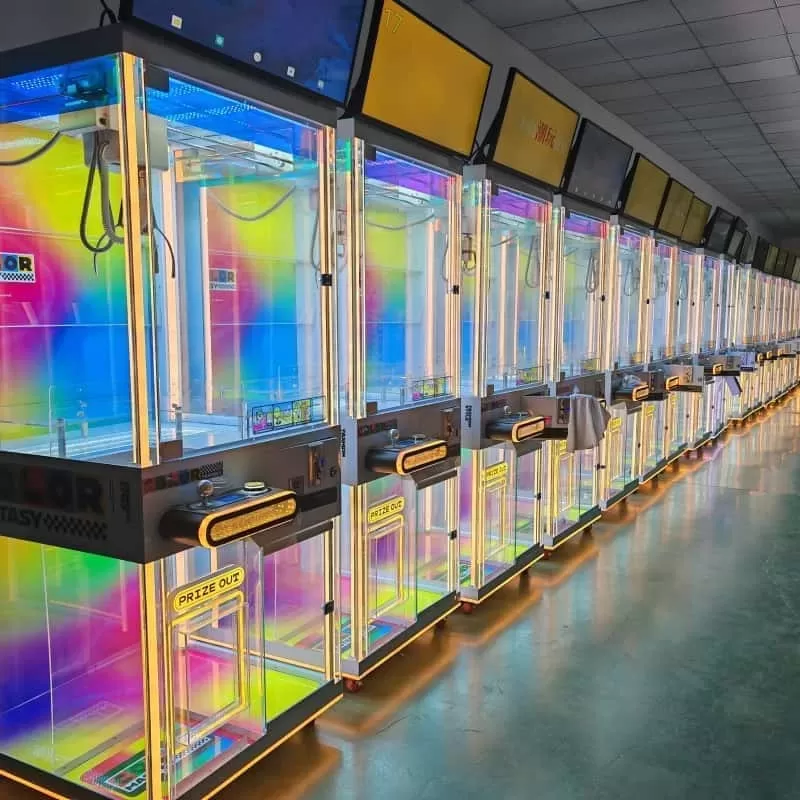
Compare coin, hybrid and cashless arcade payment systems, including card and QR payments, to choose the right solution for your venue and customers.
Details
2026-Mar-30
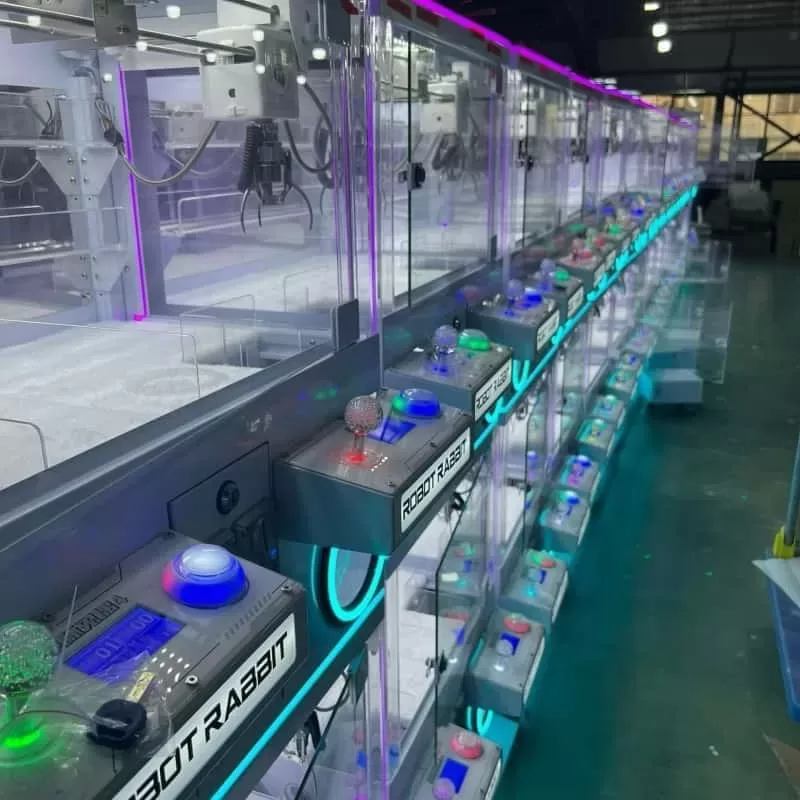
Claw machine peak usage hours vary significantly by country due to cultural habits, school schedules, shopping patterns, and work culture. In general: Japan and South Korea peak on weekday evenings (7–10 p.m.) and all-day Saturday; China peaks on Friday evenings and weekend afternoons (2–8 p.m.); the United States and Australia peak on weekend afternoons (12–6 p.m.); and Southeast Asian markets (Thailand, Malaysia, Philippines) peak on weekend evenings (5–10 p.m.). Understanding these patterns a
Details
2026-Mar-30
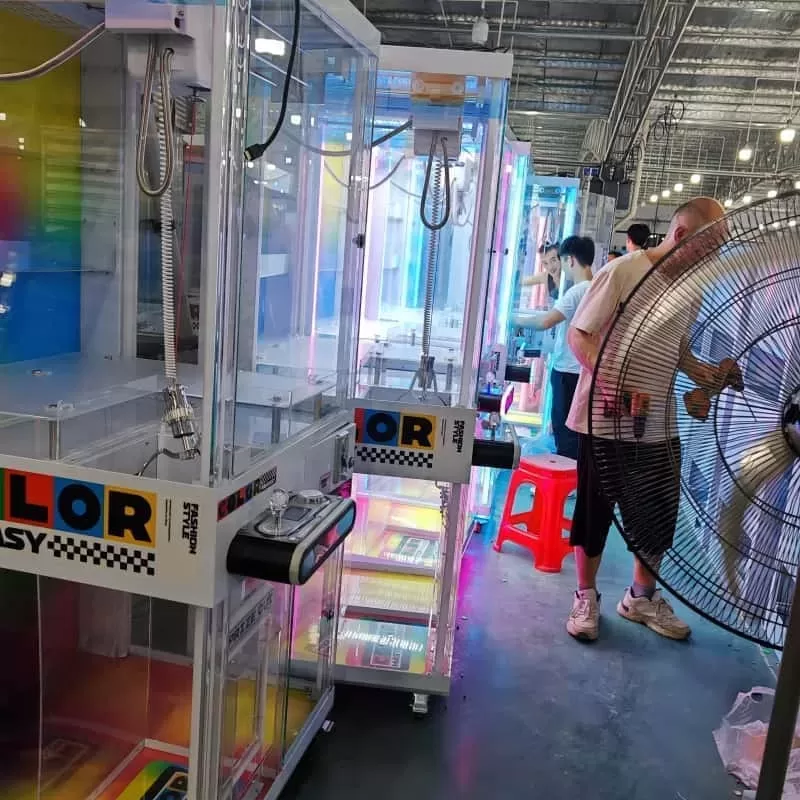
Learn proven strategies to increase repeat customers for arcade game machines & claw machines. Use loyalty programs, prize rotation, social media & events to boost FEC customer retention and revenue.
Details
